

WATCH: Belugas, Dolphins & Other Animals Pay the Price for Marineland Canada's Cruel Legacy
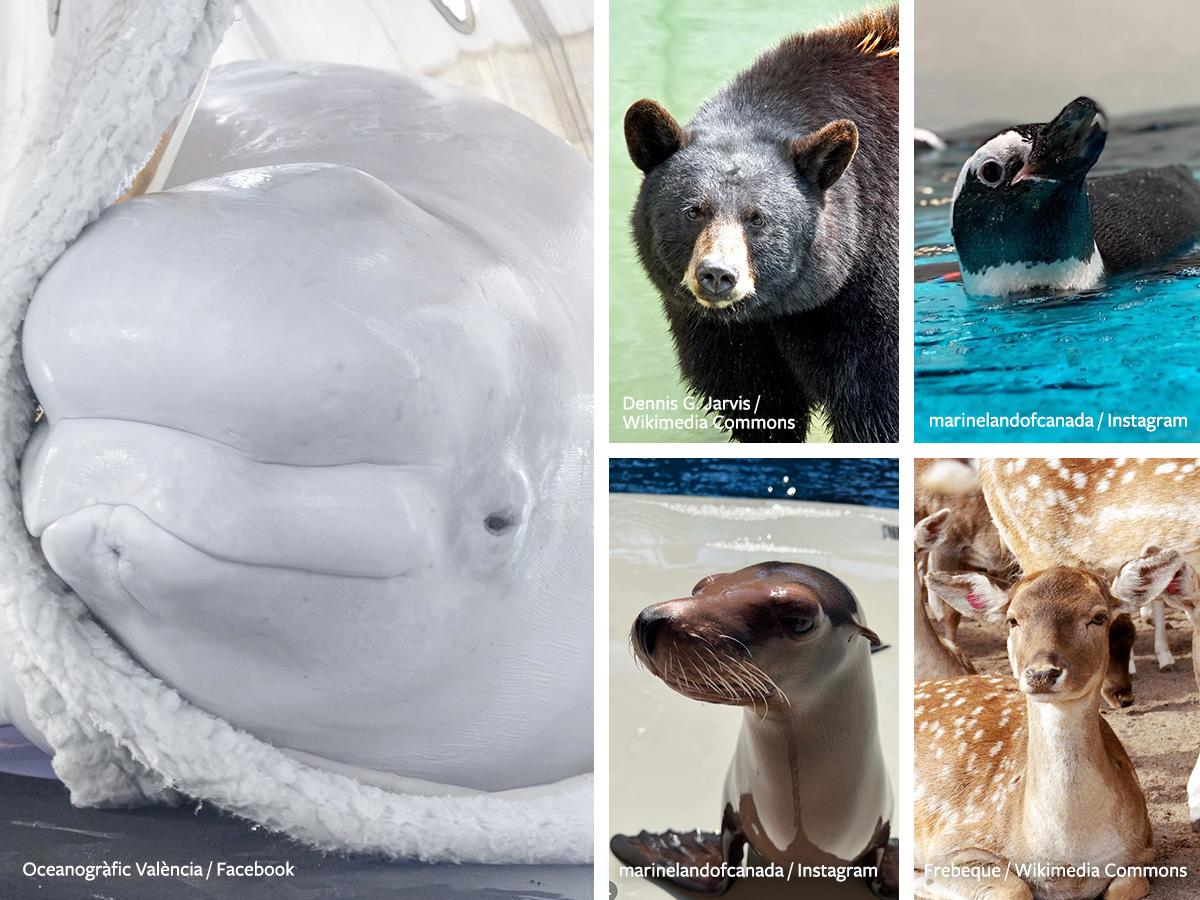
The notorious Marineland Canada tanks are finally empty. But the park's closure has brought into focus the complicated reality of what happens to animals when a marine park closes.
Hundreds of Marineland’s deer have been shipped off, and some may have been sent to slaughter. The penguins were transferred to a zoo in late 2024 while the sea lions and bears were relocated earlier this year. The sea lions are now at Vancouver Aquarium, and the park’s twelve bears now live at a sanctuary in Colorado.
The marine mammals at Marineland languished in the closed marine park for almost two years as a long battle raged over where the animals should go. Marineland even threatened to kill them if the Canadian government didn’t step in to care for them or approve their transfer. Eventually, an agreement was reached to send the animals to several aquariums and marine parks in the U.S. and Spain.
Marineland exploited these animals for decades and then, when they became a financial burden, wanted to dispose of them, even threatening to kill them all, as if they were simply a business asset.
The relocation of the thirty belugas and four dolphins took place over several weeks, moving a few animals at a time. The Shedd Aquarium, SeaWorld San Antonio, SeaWorld San Diego, Oceanogràfic València, and the Georgia Aquarium have all taken in some of the animals.
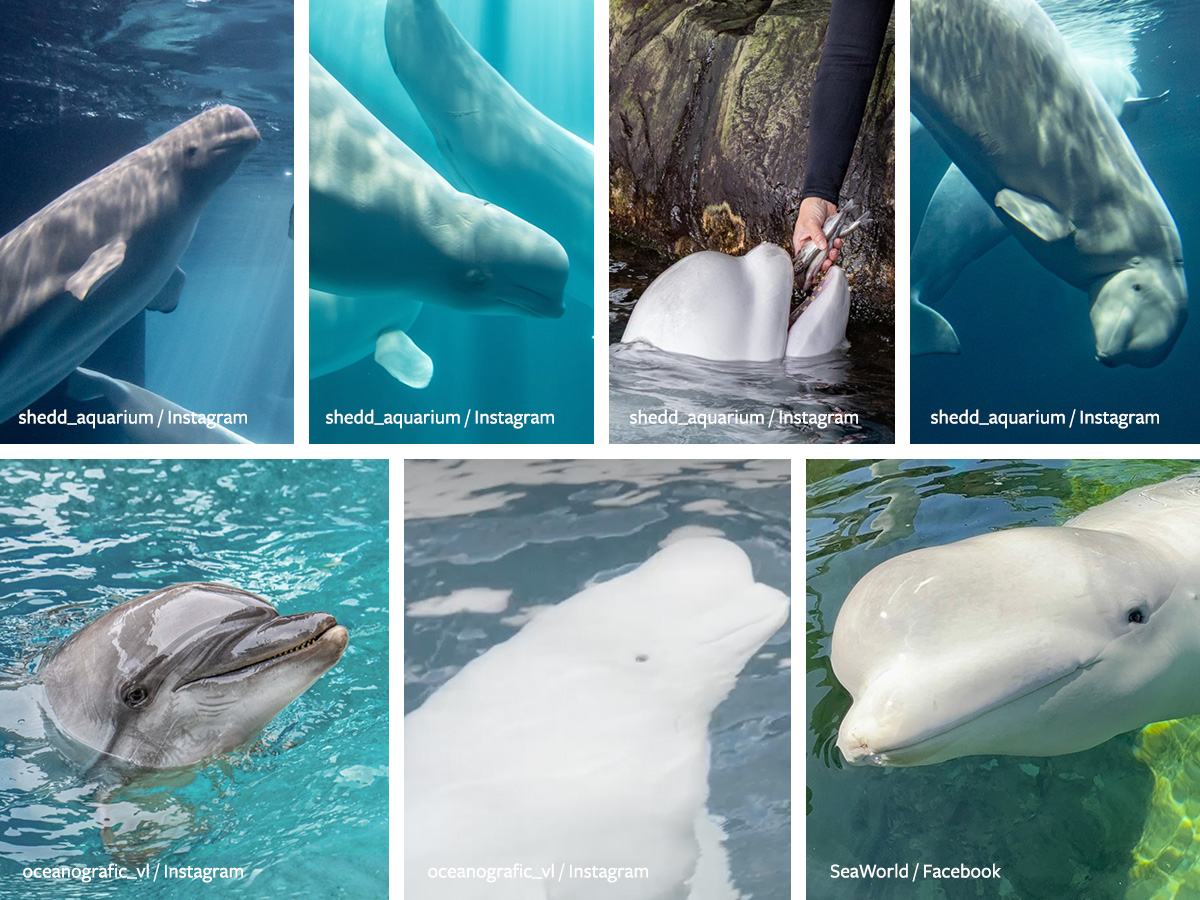 In memory of Peekachu, Rain, Osiris, Jelly Bean, Caspian, and Cyprus — six beluga whales — and Echo, a dolphin, who tragically died following their transfers from Marineland Canada in 2026. Their lives were worth so much more than a lifetime in captivity.
In the weeks following the transfers, many extremely disappointing announcements came. As of October 22, 2026, the six belugas Peekachu, Rain, Osiris, Jelly Bean, Caspian, and Cyprus, along with dolphin Echo, have all tragically passed away. This is not entirely shocking but is nonetheless devastating news. Between the amount of stress these kinds of relocations cause cetaceans and the lack of transparency by Marineland regarding their health before the transfers, it’s no surprise this was the outcome for some of the animals.
Canada did the right thing in 2019 by passing a ban on cetacean captivity, leading to the closure of Marineland in 2024. The closure of every marine park is a victory. Getting many of the animals out of Marineland’s deplorable conditions is also a victory. But moving the animals to other facilities where they will continue to be exploited is not the future they deserve.
These animals, like many animals spending most of their lives in captivity, would not survive in the wild. And unfortunately, until we ban the captivity and breeding of these animals and open sanctuaries, another marine park or aquarium is their only option.
As we continue fighting to end cetacean captivity and close marine parks around the world, we must also create a future for the animals who have spent their lives confined in them. Establishing true seaside sanctuaries is a crucial piece of ensuring these animals have somewhere safe to go, where they can live out the rest of their lives with dignity, compassionate care, and as much freedom as possible.


