

New York Residents: Protect Whales in New York Waters
This alert is no longer active, but here for reference. Animals still need your help.
Valid New York address required to submit.
New York's waters are not empty shipping lanes. They are a vital part of the marine highway connecting humpback whales' southern breeding grounds and northern feeding areas, and the New York coast is an increasingly important whale habitat and foraging ground. The Whale Awareness Act, S2292B / A8515A, has passed the Assembly and Senate and has been delivered to Gov. Kathy Hochul. Now she must sign it into law.
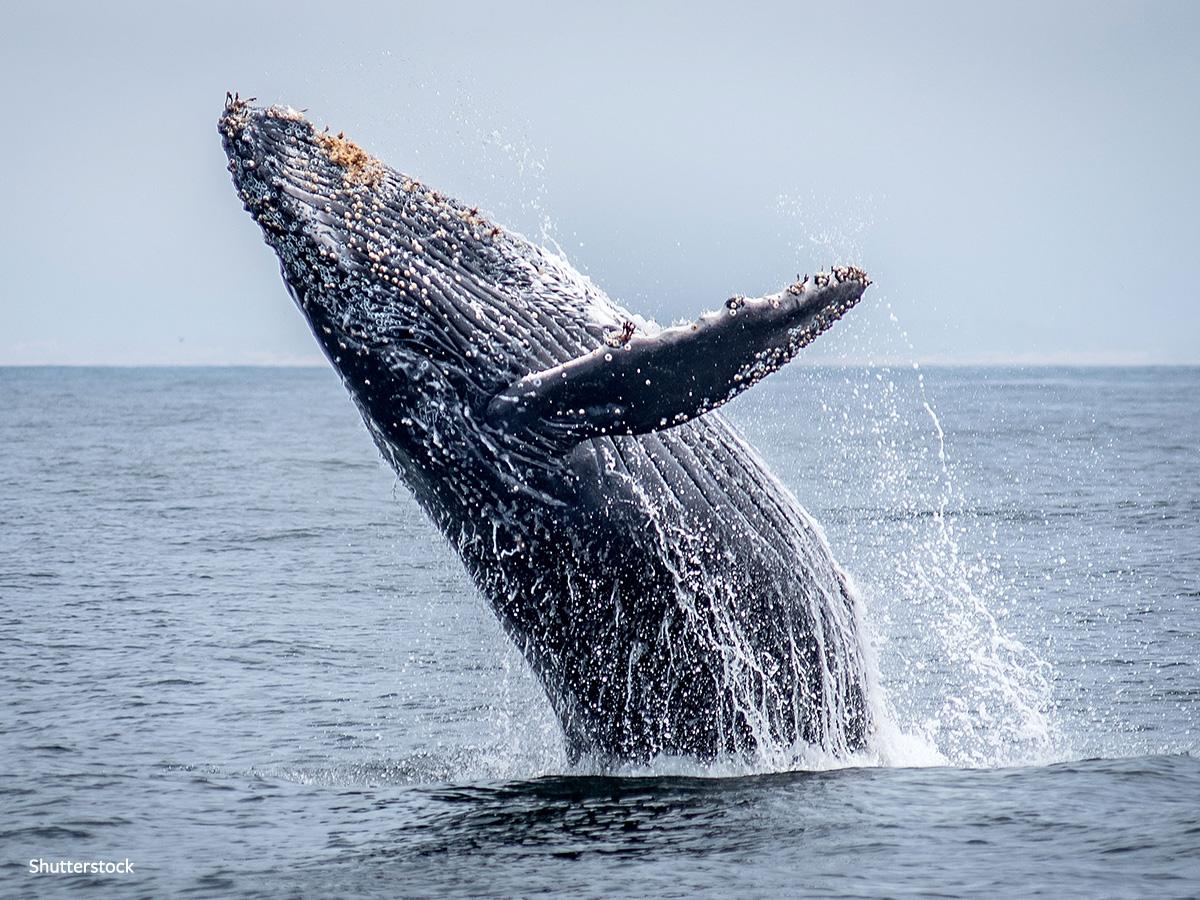
Whales are feeding in and near one of the busiest boating and shipping regions on the East Coast, where many vessel operators still do not expect to encounter them. As ocean conditions change, whales may be feeding closer to shore, including younger whales using shallower waters where vessel traffic is intense. That puts them directly in harm's way. The New York coast is home to humpback whales and also supports fin, sei, sperm, and North Atlantic right whales. Research and monitoring show whales are using these waters year-round, and some species are being detected close to shore.
Since 2016, large whale strandings along the Atlantic coast have remained elevated, prompting NOAA to declare a humpback whale Unusual Mortality Event in 2017 that is still active today. NOAA lists suspected human interaction, including vessel strikes, as a key factor, and a 2024 peer-reviewed study found vessel strikes to be a major driver of recent strandings, with fishing gear also playing a role.
The Whale Awareness Act directs New York agencies to develop and distribute marine mammal interaction prevention recommendations and educational materials for boaters, vessel registrants, and boating safety participants in key downstate counties where whale-vessel interactions are especially likely.
While the Whale Awareness Act will not solve this crisis on its own, it is still an important and worthwhile step forward. Boater education and marine mammal awareness can help reduce dangerous encounters right now, especially in a region where many vessel operators still do not realize whales are feeding and traveling close to shore. New York must also pursue stronger protections, including broader speed rules, better enforcement, and additional measures to prevent collisions and entanglements, but this bill begins to build the awareness and accountability needed to save whales' lives.

Letter to Decision Maker(s) for reference:
Subject: I urge you to sign S2292B / A8515A, the Whale Awareness Act
As one of your constituents, I urge you to sign S2292B / A8515A, the Whale Awareness Act, into law without delay.
New York is part of a marine highway used by humpback whales traveling between southern breeding grounds and northern feeding areas, and the New York Bight is an important foraging habitat for many whales, including humpback, fin, sei, sperm, and North Atlantic right whales. These whales are increasingly sharing waters with heavy commercial and recreational vessel traffic.
Since 2016, large whale strandings along the Atlantic coast have remained elevated, and NOAA’s humpback whale Unusual Mortality Event is still ongoing. Research has identified vessel strikes as a major driver of these deaths, with fishing gear entanglement also contributing. Juvenile whales may be especially vulnerable when feeding in shallower nearshore waters.
The Whale Awareness Act is a sensible, preventive measure. By requiring the development and distribution of marine mammal interaction recommendations and educational materials, this bill will help ensure that more vessel operators understand whales are present in New York waters and know how to reduce dangerous encounters.
With federal vessel protections weakened after NOAA withdrew its proposed speed rule expansion in January 2025, New York must act. Please sign the Whale Awareness Act and help prevent more avoidable whale injuries and deaths.
Thank you for your consideration.
Sincerely,
Signed
This alert is no longer active, but here for reference. Animals still need your help.


