

Not Feral, But Afraid: Reframing Homeless Cats Through a Trauma-Informed Lens

LeesaMaree Bleicher has spent more than 25 years on the front lines of animal rescue, with a particular focus on protecting homeless community cats. Drawing on her experience as an animal advocate and her studies in psychology, she is challenging the harmful assumptions embedded in the word “feral” and calling for systems of care that recognize fear-based behavior as a response to abandonment, deprivation, and trauma. In this guest commentary, she explains why a trauma-informed approach is urgently needed to transform how we understand, treat, and protect homeless cats.

For more than twenty-five years, I have worked on the front lines of rescue, and what I have learned is the cats we call “feral” are not wild in the way that word implies. They are not untamable, nor are they choosing a life apart from us. What I see are gentle beings shaped by fear — by abandonment, hunger, and by the constant calculation of harm. The behaviors we mistakenly call “feral” are reactions to trauma, much like the ways trauma shapes human behavior.
I have watched cats move like shadows in the dark, their bodies low, their eyes wide, always scanning for danger. Distance is not defiance; it is protection. Silence and avoidance are not indifference; they are a survival strategy. These are not signs of cats thriving. They are signs of adaptation to a world that has not been kind to them.
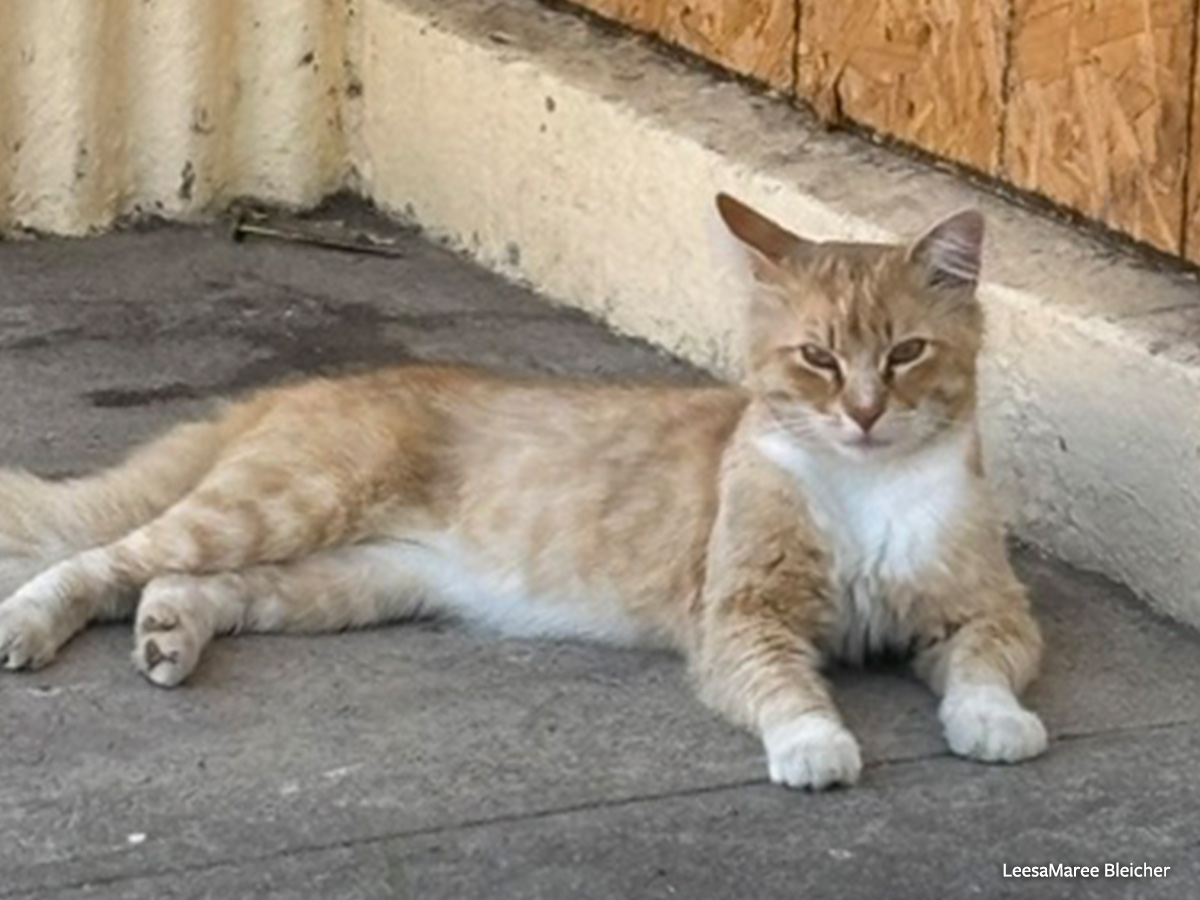
When we misunderstand their behaviors, we build systems around that misunderstanding. Systems that perpetuate the harm. The word “feral” has become a quiet dismissal, a way of accepting their suffering as natural, even inevitable. But there is nothing natural about a life lived in chronic fear.
A trauma-informed approach asks something different of us. It asks us to see behavior as communication. To recognize that what looks like aggression is terror, that what looks like avoidance is a learned response to harm. It asks us to reinvent how we care for homeless domesticated cats; it acknowledges that we need to change the narrative and create trauma-informed programs that go beyond Trap-Neuter-Release (TNR) and build systems of care to get cats off the street and into homes or sanctuaries.
Compassion is not sentiment; it is a responsibility to translate compassion into action. Homeless cats experience trauma the same way that a homeless human does, and the same trauma-informed lens used to help humans should be used when creating programs for homeless community cats.
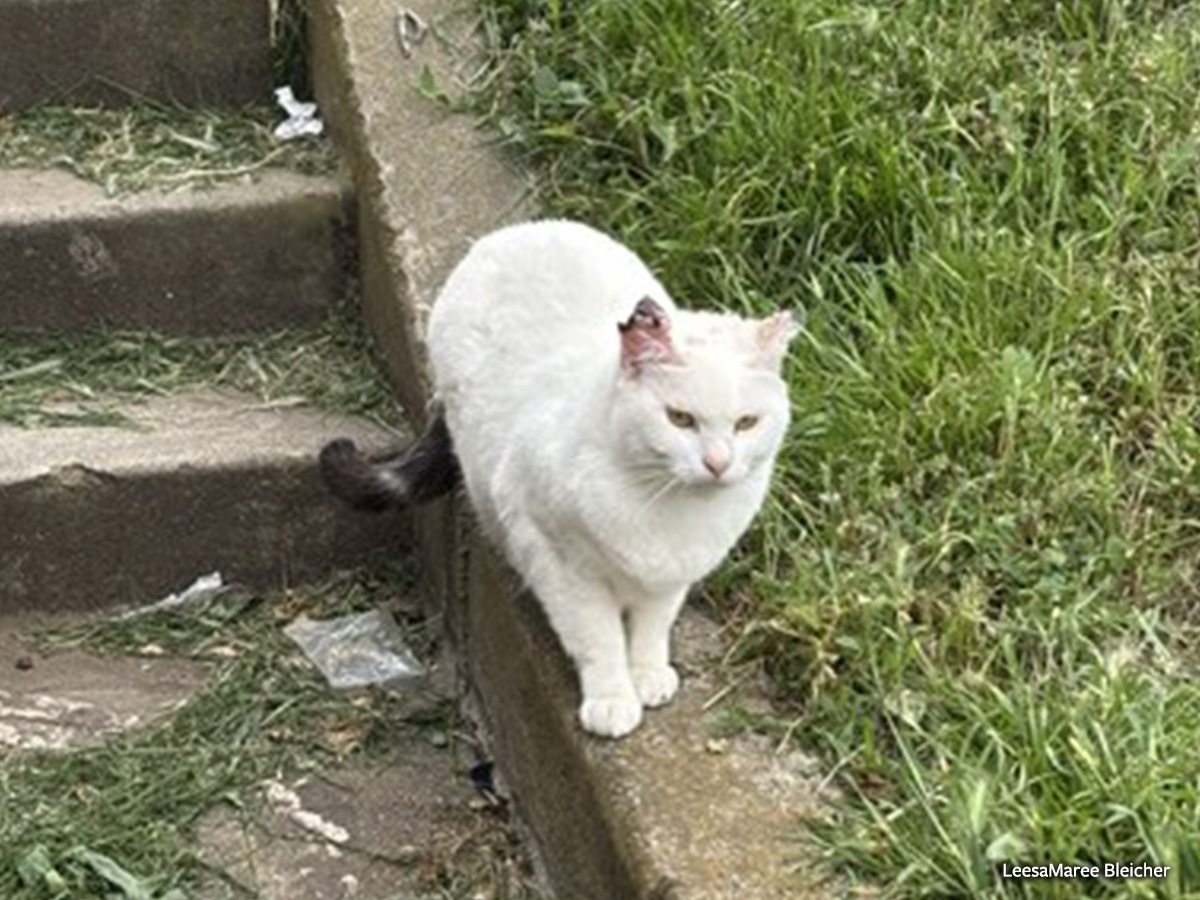
If we change how we see homeless cats, we can change how we care for them. And if we change the way we care, we can begin to interrupt the cycle of fear that defines their lives. These are not “feral” cats. They are homeless cats—living, feeling beings who learned to survive, but survival should never be considered an acceptable way of living.
Until we implement trauma-informed practices, their suffering is not accidental; it is a direct consequence of what we have chosen to accept.
To learn more and take action, visit: idausa.org/campaign/community-cats


