

Animals at Ballona Wetlands Need Federal Protection Before Bulldozing Resumes
This alert is no longer active, but here for reference. Animals still need your help.
Ballona Wetlands has been threatened for nearly two decades by a destructive bulldozing project falsely marketed as “restoration.” Now, the National Park Service has a chance to recommend a far better path: real protection for Ballona's wild animals, rare habitats, and cultural resources through strong federal stewardship. Submit your comment before Monday, April 6, 2026.
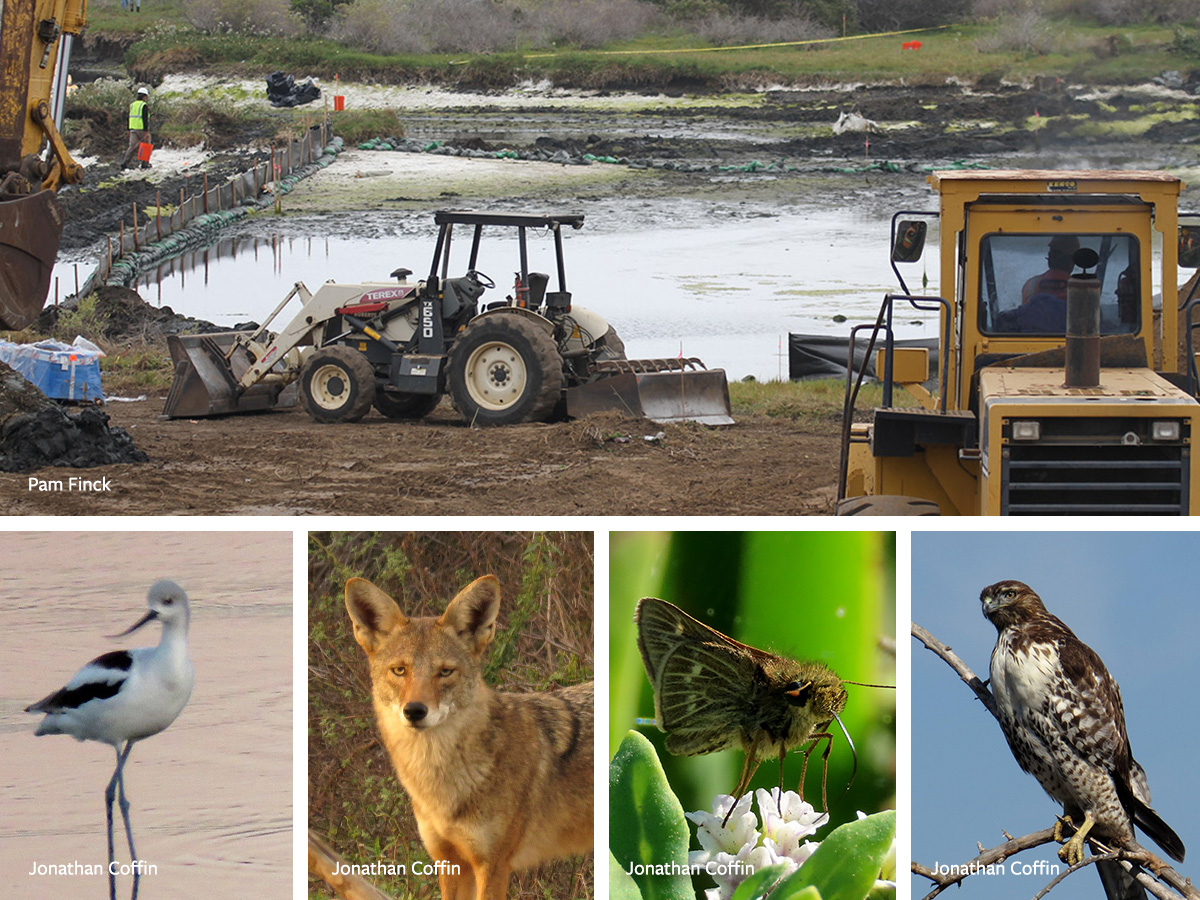
In Defense of Animals helped support an important court victory that threw out flawed environmental documents, but powerful private interests and their allies at the California Department of Fish and Wildlife are still pushing a destructive nine-year bulldozing scheme that would devastate one of Southern California's last remaining coastal wetland ecosystems. Ballona is a vital habitat for members of at least seven endangered species and many more animals who depend on its wetlands, dunes, grasslands, ponds, and estuary to survive.

Now there is a real opportunity to secure stronger protection.
At the direction of Congress, the National Park Service is conducting a Special Resource Study of the Los Angeles coastal area from Pacific Palisades to San Pedro. Ballona Wetlands is central to this study. Unlike state agencies that have failed to protect this land, the National Park Service is guided by the Organic Act, which gives it a permanent mission to conserve natural and cultural heritage for the long term.

Please act before the April 6 deadline. Urge the National Park Service to recommend independent federal management of the greater Ballona Wetlands ecosystem so these lands, waters, and the wild animals who rely on them can finally receive the protection they need.

Letter to Decision Maker(s) for reference:
Decision makers:
- Sarah Bodo - National Park Service, Planning Division, Project Manager
- Rose Verbos - National Park Service, Planning Division, Project Manager, Community Planner
Subject: Protect the Greater Ballona Wetlands Ecosystem Through National Park Service Management
I’m writing as one of 250,000 In Defense of Animals supporters who care deeply about wild animals and wetland habitats in the Los Angeles Coastal Area Special Resource Study.
Please fully study the possibility of the NPS having a strong and independent management role at the greater Ballona Wetlands ecosystem for the following reasons:
There are nationally significant cultural resources in the study area that have not been adequately protected or managed by local or state entities, including:
- The Venice Canals historic district, which includes tidal waters that go through the historical lagoons of the city, with ocean water bringing high tides into the area twice each day.
- sacred sites considered by the indigenous tribes of the area (Gabrieleno, Tongva, Shoshone) - some of which have been shown to include a significant cemetery site, as well as native plant populations for medicinal and lifeways purposes
There are nationally significant natural resources in the study area that have not been adequately protected or managed by local or state entities, including:
- a coastal wetland ecosystem like no other remaining on the southern California coast - including not only delineated wetlands, but a mosaic of habitats, including coastal grasslands, coastal sand dunes and scrub, seasonal ponds, salt pannes, and more.;
- a very unique sand dune complex created by the confluence of the historical flows of the Los Angeles River and several other streams; several rare plant populations, as well as the endangered El Segundo Blue Butterfly and the Palos Verdes Blue Butterfly, rely on this sand dune habitat.
At least 7 endangered species and dozens of species on the California Special Concern lists rely on these habitats.
Recommend in your study and report to Congress that the NPS and its important and strong governing law, the NPS Organic Act, is needed to fully protect these lands and waters. Fully accessible to the public (sensitively), trails and interpretive signage, and rangers would greatly enhance the management of these lands.
2. Study the entirety of the greater Ballona Wetlands ecosystem. The map that has been published includes, in red, only the state-owned Ballona Wetlands Ecological Reserve (BWER).
Other lands that are part of the Ballona Wetlands, but are in other jurisdictions, need to be studied and included for possible NPS management, as well, since many of the species relying on the BWER also rely on other parts of the Ballona Wetlands, including:
- Del Rey Lagoon - owned by the City of Los Angeles
- Ballona Lagoon Marine Preserve - owned by the City of Los Angeles
- Ballona Grand Canal Lagoon - owned by the City of Los Angeles
- Venice Canals Historic District - owned by City of Los Angeles - feeding and resting for Cormorants and Egrets; marine life
- Oxford Lagoon - owned by the County of Los Angeles/Army Corps of Engineers
- Rookeries for Great Blue Heron, Yellow-crowned Night Heron, Snowy Egret, and Black-crowned Night Heron (owned/leased: County of LA Marina and US Army Corps of Engineers)
- Marina Breakwater - owned by US Army Corps of Engineers - significant roosting site for California Brown Pelican, Sea Lions, and Cormorants
- Ballona Creek Estuary - several endangered species rely on the habitat on the levees
The NPS should be considered for full management of the lands that are in federal and state jurisdiction. And possible co-partnership management with the City of Los Angeles for lagoons. Possible co-management with the County for rookeries and marine life in the Marina.
The California Department of Fish & Wildlife has a history of stating on the record that they really don’t want to manage or own the land at the Ballona Wetlands, and the State of California budget is not in a place where it can adequately manage these important and rare species. The LA coast is part of a Biodiversity Hotspot, and the National Park Service is needed to fully protect the species and habitats at Ballona.
Sincerely,
Signed
This alert is no longer active, but here for reference. Animals still need your help.


