

Victory! Bills Threatening Mexican Wolf Recovery Fail in Arizona
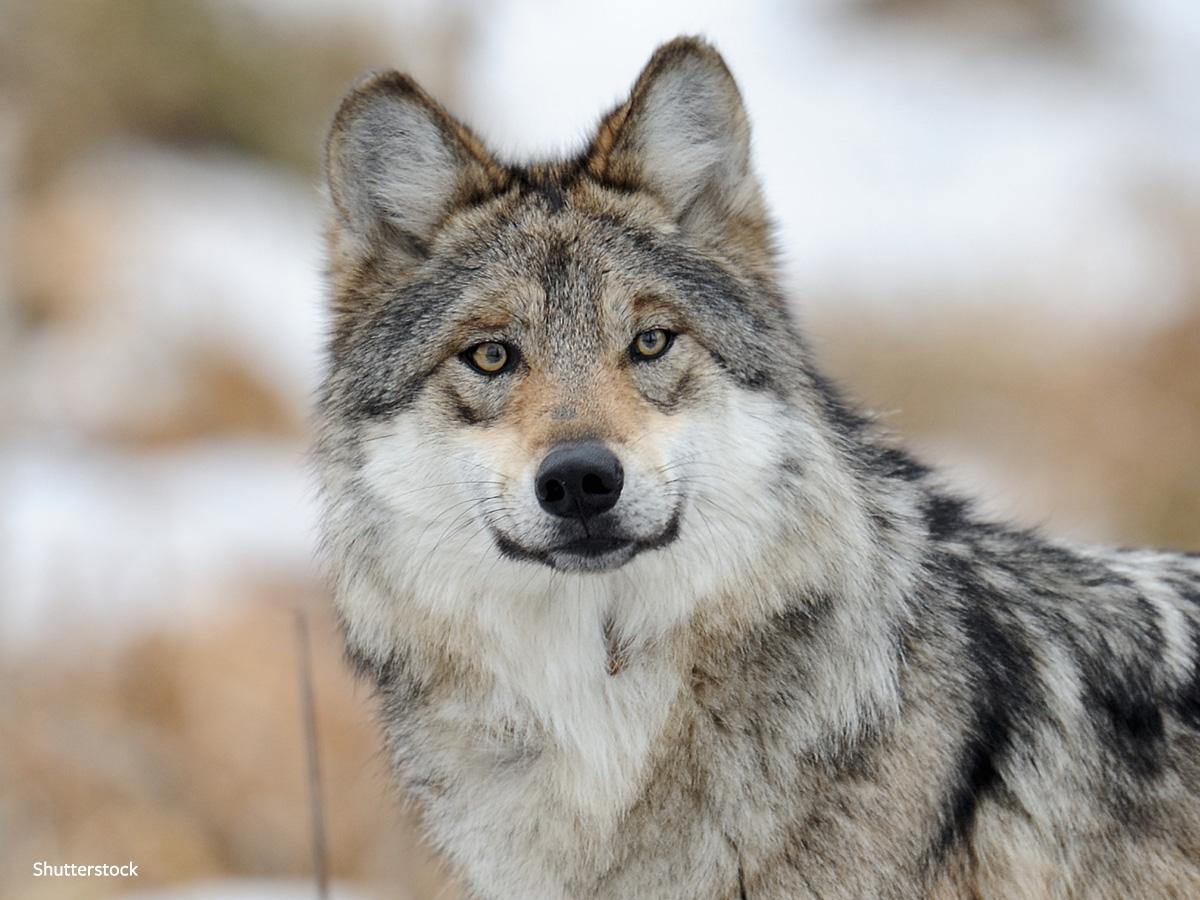
Persecution of Mexican gray wolves has driven them to near-extinction, and the onslaught has continued with legislative efforts to see them further harmed. Thankfully, three terrible bills that would have had devastating consequences for their recovery have failed in Arizona.
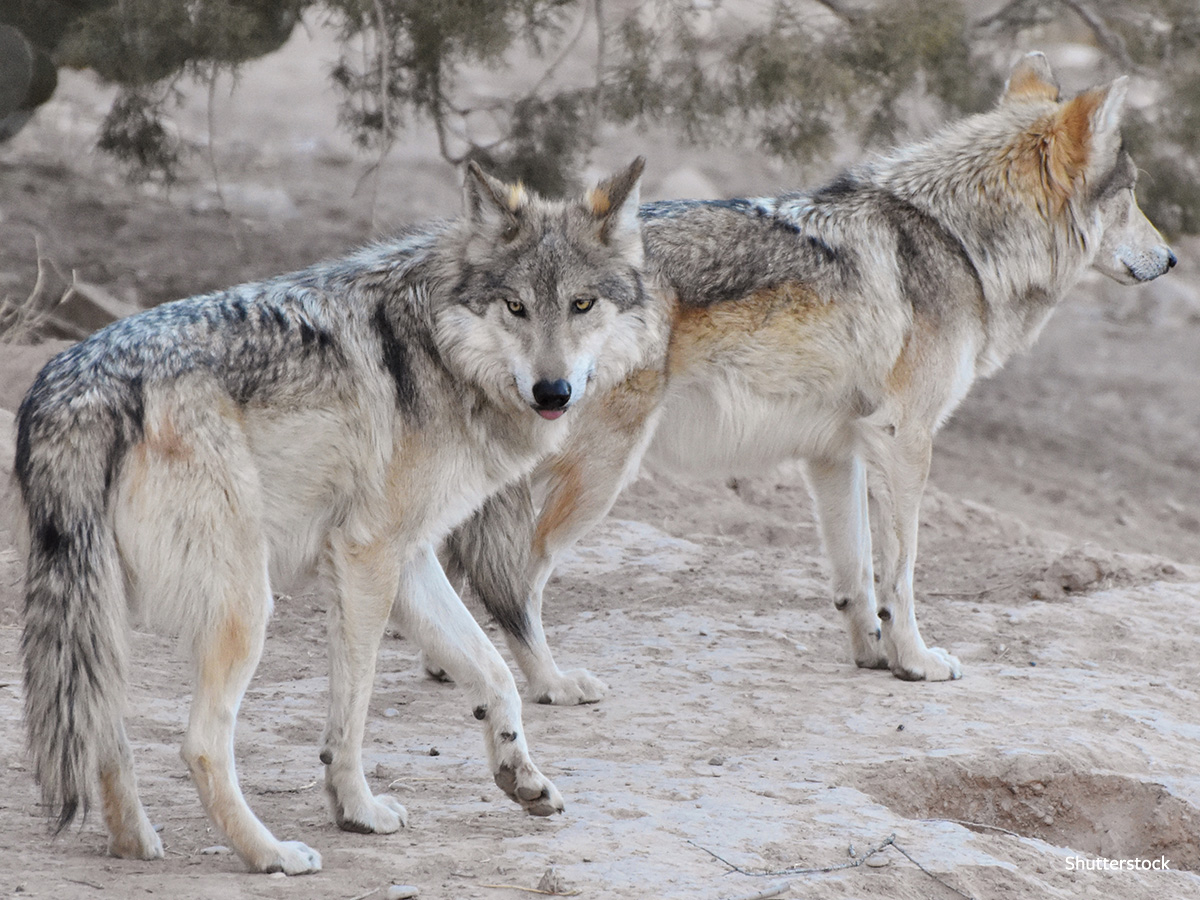
Mexican wolves were once widespread throughout vast portions of the Southwest and Mexico, but they were wiped out by the 1900s. In 1976, they were listed as an endangered species, and the U.S. and Mexico began bi-national recovery efforts. Shortly after, five wolves were captured in Mexico and used with two others in captivity to start a captive breeding program in the late 1970s, but their population today is still far from what scientists believe it needs to be to ensure their survival.
With just over 300 individuals in the wild today, each one is incredibly precious. Unfortunately, they remain seriously threatened by human-caused mortality, largely via poaching and vehicle collisions, and a lack of genetic diversity — and politics.

Earlier this year, Arizona Rep. Lupe Diaz introduced three bills that would have further jeopardized their recovery.
HB 2787 would have stopped state agencies from cooperating with the Mexican Wolf Reintroduction Program under the Endangered Species Act.

While state lawmakers passed it, Gov. Katie Hobbs vetoed it, calling the program an important effort, adding “...Arizona should remain positioned to engage in it thoughtfully and effectively.
Two other devastating bills, HB 2159 and HB 2160, have also failed to move forward this session.
HB 2159 would have required the Arizona Game and Fish Department to issue permits to landowners for killing Mexican wolves on private land or lands leased for grazing and allow the agency to pay bounties for the “humane and non-lethal trapping” of wolves and “provide sport hunting opportunities in accordance with AZGFD rules.”
HB 2160 would have (very prematurely) created a Mexican Wolf Management Plan Development Committee to develop a management plan for Mexican wolves when they are delisted.
We urged our Arizona supporters to ask their lawmakers not to support these bills with an alert, and we continue to call for efforts to be focused on reducing conflicts and ensuring the survival of Mexican wolves. More must be released from captive breeding programs to address the lack of genetic diversity; multiple populations must be able to establish which are able to disperse beyond artificial boundaries, and there must be further investigations and consequences for those who kill Mexican wolves in violation of the Endangered Species Act.
Their survival depends on us understanding them as more than just numbers in a population, and far more also needs to be done to promote coexistence with them before changes can be made to their protection.
For more ways to help wildlife, visit our Wild Animals campaign.


