

Victory! California Expands Spay/Neuter Access & Strengthens Protections for Cats & Dogs
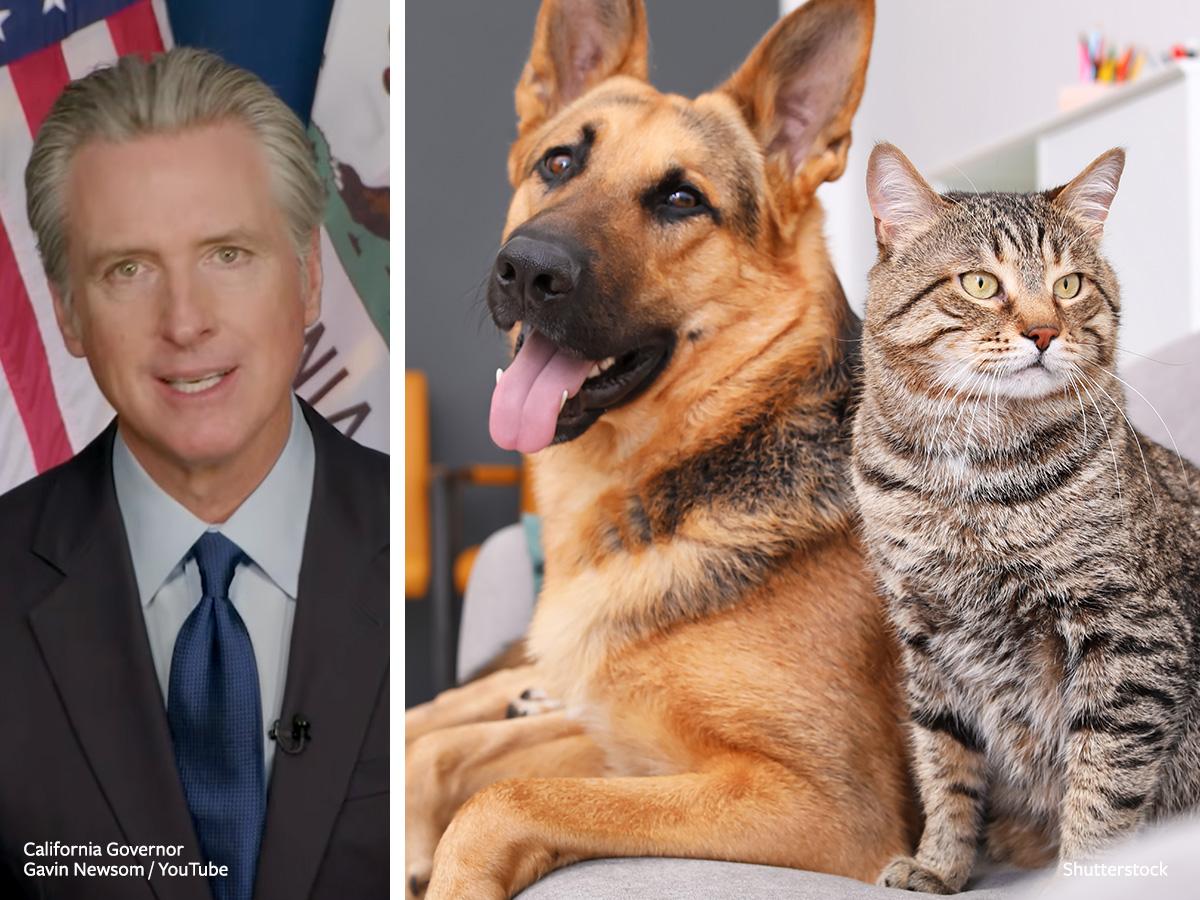
California has taken important steps to protect cats and dogs, expanding access to high-quality spay and neuter services, strengthening protections for animals in need, and giving courts and animal protection officials stronger tools to prevent suffering and cruelty.
AB 2010 Passes, Opening the Door to High-Volume Spay/Neuter Events Across California
Gov. Gavin Newsom has signed Assembly Bill 2010, the Spay and Neuter Improvements for Pets (SNIP) Act, removing a major barrier that prevented Mobile Animal Sterilization Hospital (M.A.S.H.) clinics from operating throughout California. Beginning Jan. 1, 2027, veterinary teams will be able to provide spay and neuter surgeries in temporary community-based clinics while maintaining all other veterinary health and safety requirements.
This change will help bring essential veterinary care directly to communities where services have historically been difficult to access, including rural areas where guardians may otherwise need to travel hours or face costs they cannot afford. Expanding access to prevention is a critical step toward reducing the number of cats and dogs entering already overcrowded shelters.
In Defense of Animals supporters helped push this lifesaving legislation forward through three action alerts. In March, supporters urged California lawmakers to support AB 2010 and expand spay and neuter programs. After the bill advanced, supporters responded again by urging legislators to support the SNIP Act through the next stage of the process. When the bill reached Gov. Newsom’s desk, supporters sent a final wave of messages calling on him to sign the SNIP Act into law.
Together, these three consecutive SNIP Act alerts generated 2,901 messages from In Defense of Animals supporters calling for expanded access to spay and neuter services across California. The messages were delivered to California lawmakers as the bill moved through the legislative process and to Gov. Newsom when the legislation reached his desk. This overwhelming response demonstrated that Californians want solutions that prevent shelter overcrowding and ensure cats and dogs can access the care they need.
The SNIP Act was authored by Assemblymember Esmeralda Soria (D-Fresno) and co-sponsored by Animal Balance, the ASPCA, San Diego Humane Society, and the San Francisco SPCA. Animal Balance has spent more than two decades proving that high-quality, high-volume spay and neuter programs can transform communities by preventing unwanted births and reducing the number of animals entering shelters.
In Defense of Animals has worked alongside Animal Balance to expand this lifesaving model worldwide. This year, In Defense of Animals President and CEO Marilyn Kroplick, M.D., and Campaigns Director Lisa Levinson joined an Animal Balance clinic in the Galápagos Islands to learn more about high-volume sterilization efforts. In Defense of Animals also sponsored Bujinlkham Erdenebat of Mongolian partner Lucky Paws to participate in the training and bring this knowledge back to Mongolia. In 2025, In Defense of Animals and Lucky Paws conducted Mongolia’s first rural spay and neuter pilot, sterilizing 50 dogs and 30 cats.
Through the High-Volume Sterilization Forum, In Defense of Animals also connects more than 50 organizations across 10 countries working to replace the cycle of shelter killing with humane prevention strategies. This global network includes groups in countries including Türkiye, Morocco, Mongolia, the Philippines, India, Romania, and the United States.
AB 1733 Passes, Expanding Access to Veterinary Care
The SNIP Act was not the only California victory for animal companions this legislative session. In Defense of Animals supporters also advocated for Assembly Bill 1733, which was designed to help expand access to spay and neuter services. After supporters urged California lawmakers to support AB 1733 and improve spay and neuter access, the bill passed, helping advance California’s commitment to increasing access to critical preventive veterinary care.

AB 2344 Passes, But No Longer Includes an Animal Abuse Registry
Supporters also took action to strengthen animal cruelty protections by advocating for the proposed animal abuse registry through the California Assembly and the California Senate. While the final version of the legislation changed significantly from the original registry proposal, it still delivered important protections by improving the process for rescuing animals from dangerous situations, expanding emergency veterinary protections for injured cats and dogs, increasing transparency after animal seizures, and giving courts stronger tools to prevent convicted abusers from having animals in their care.
These legislative victories reflect a growing recognition that prevention, access to care, and stronger protections are essential to creating a future where cats and dogs are not left vulnerable to suffering because communities lack resources.
In Defense of Animals will continue working with partners around the world to expand humane solutions that protect animals and address the root causes of shelter overcrowding and cruelty.
Learn more about In Defense of Animals’ work for cats and dogs, including the next phase of the Mongolia spay and neuter program, on our Animal Companions campaign page.


