

Around the world, millions of live animals are bought and sold in the legal and illegal exotic pet trade, which is a multi-billion-dollar industry that poses a serious threat to animal welfare, wild populations, and human health and safety.
What is an exotic pet?
When we think about exotic pets, we might think about animals like big cats or monkeys, but even though the term “exotic” doesn’t have a standard definition, it typically refers to undomesticated wild animals kept in private homes or menageries.
However, wild and exotic aren’t always interchangeable. Wild animals live freely in their native ranges, but if they’re moved to another country, they’re considered exotic. A tiger living in Russia is a wild animal, but in the U.S., they’re members of an exotic species.
Which animals are in the exotic pet trade?
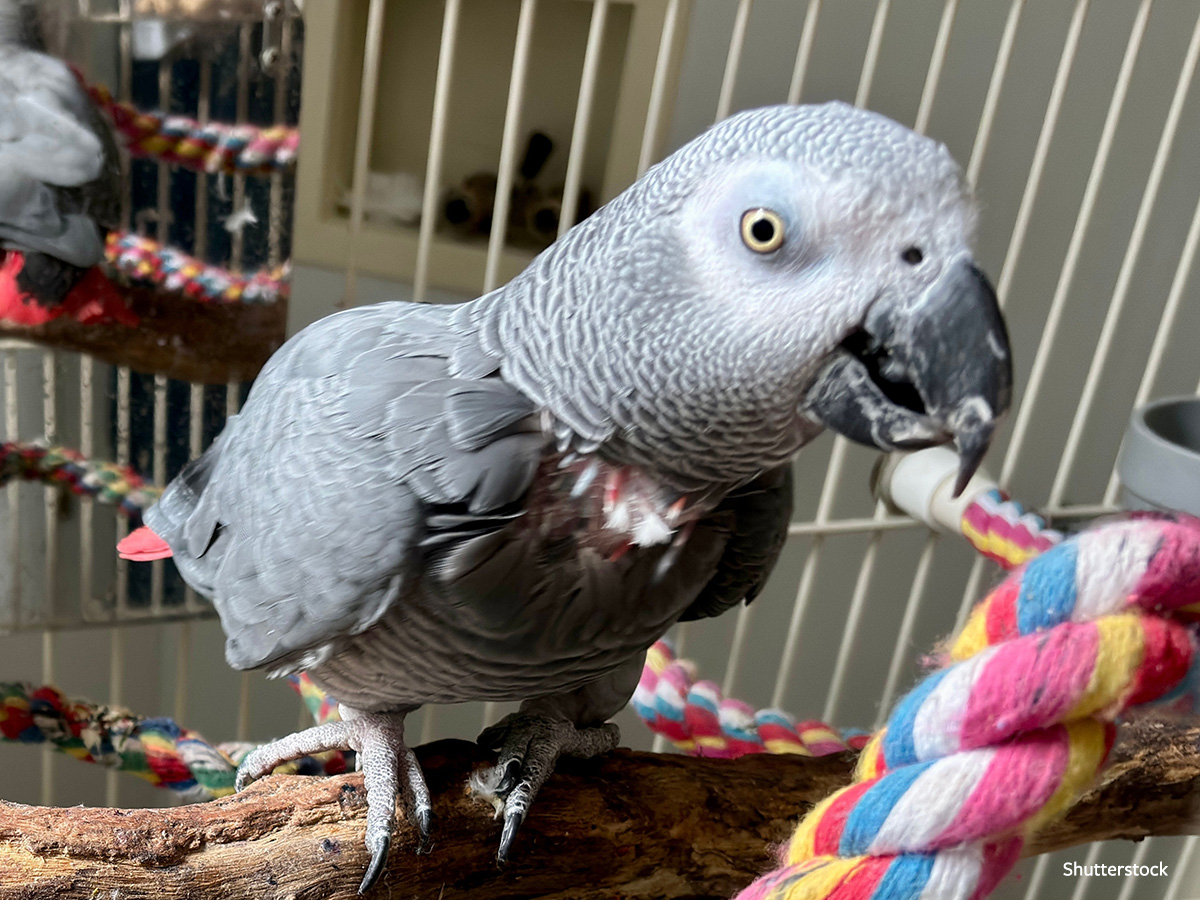
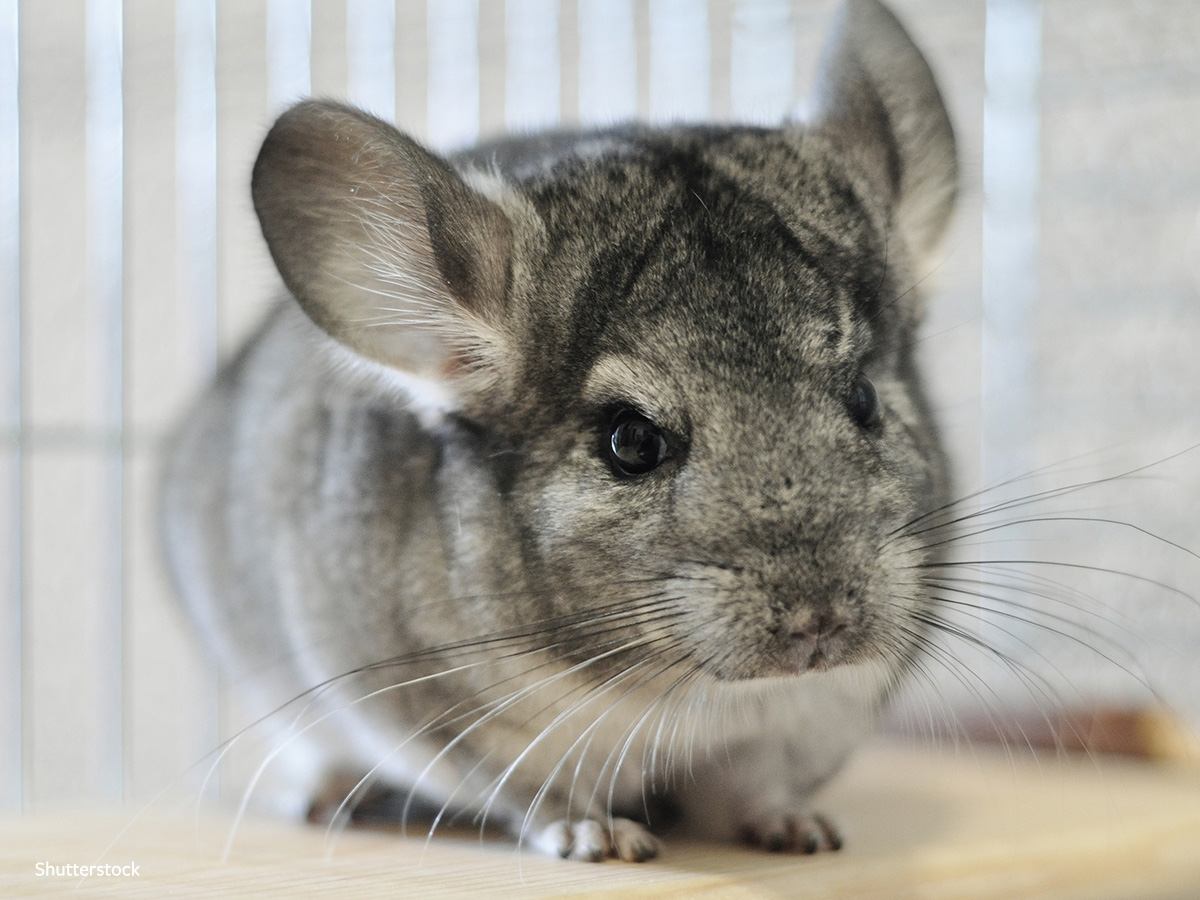
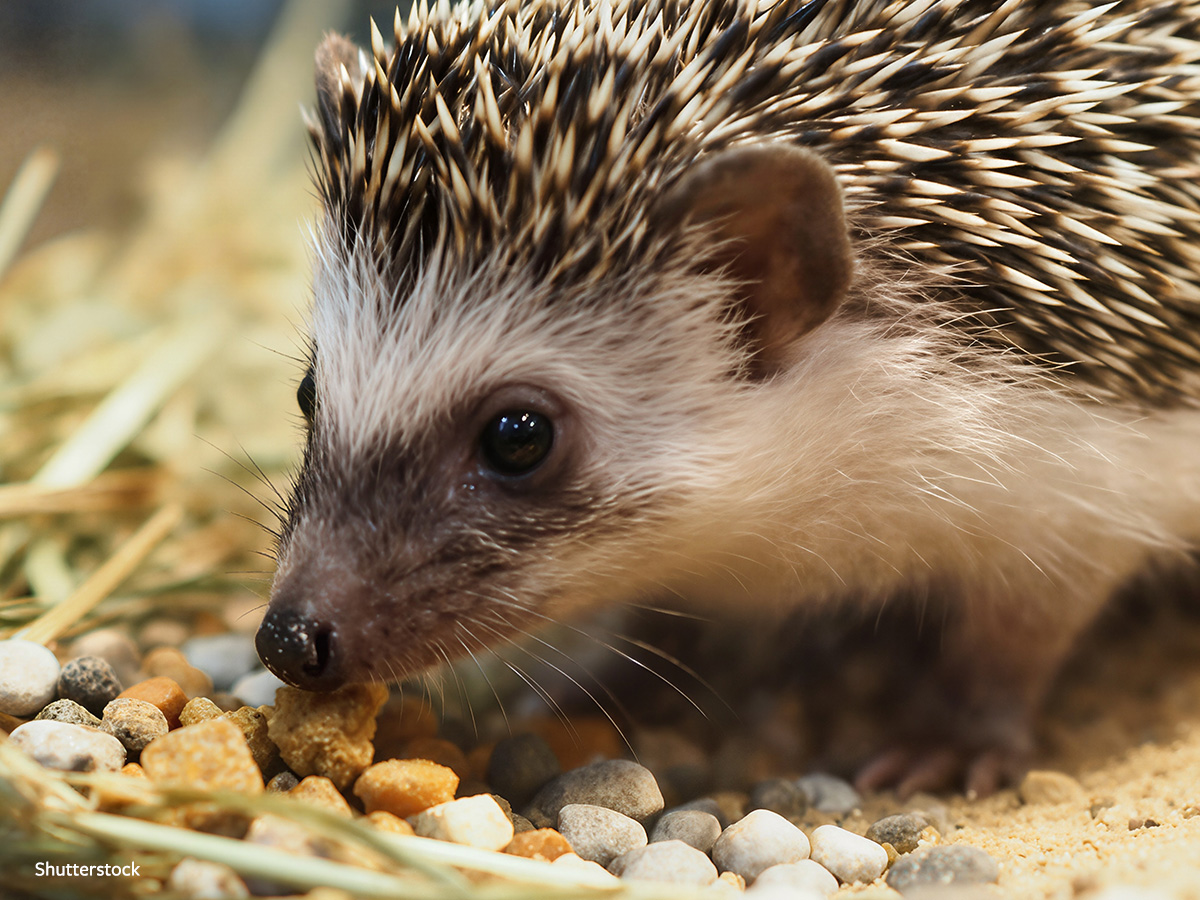
Animals considered exotic pets range from invertebrates, fish, reptiles, amphibians, and birds to mammals. Even more common animals, including hamsters, guinea pigs, and rabbits, are considered exotic pets.
Where do exotic pets come from?
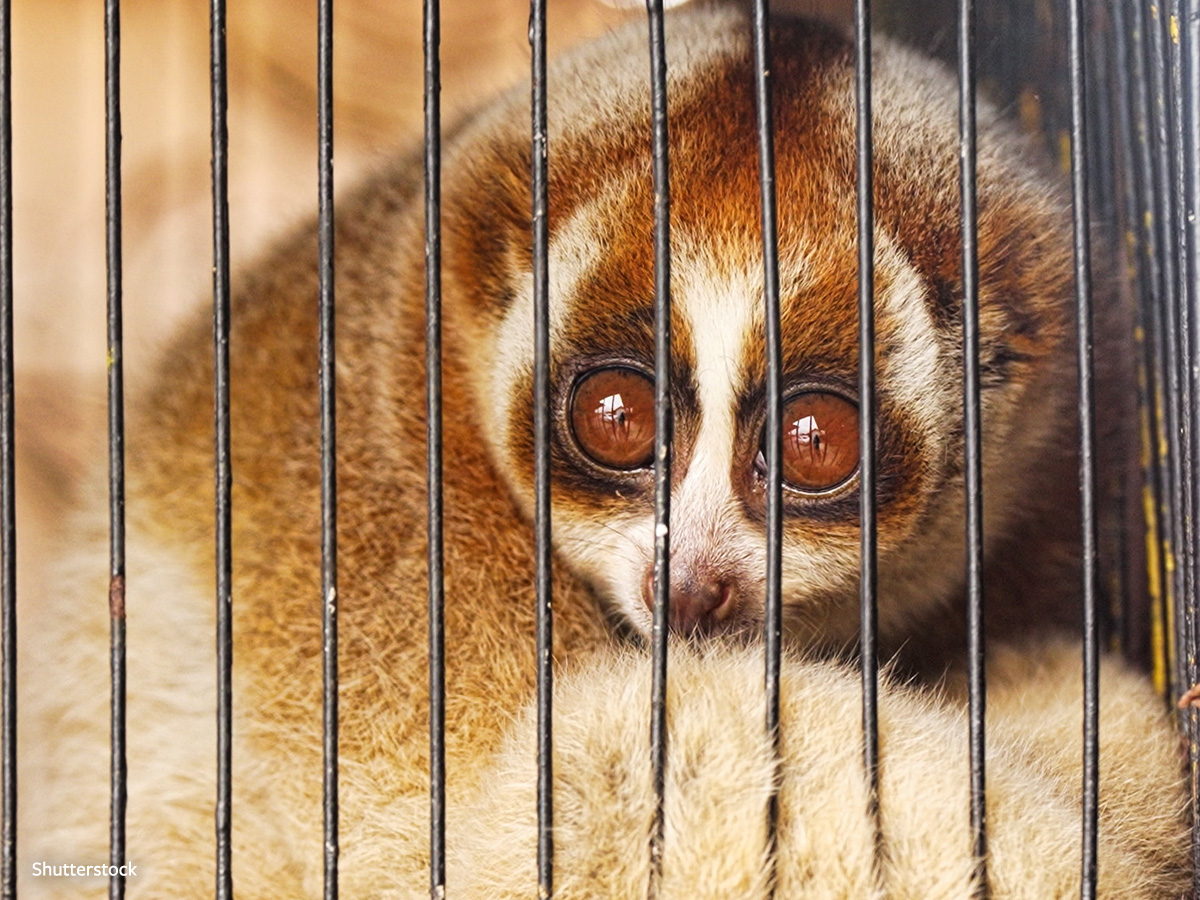
Exotic pets can come from a variety of sources. Many are taken from the wild, often from biodiversity hotspots, and sold internationally, others come from breeders, pet stores, or are “surplus” animals from zoos and menageries.
It’s been estimated that more than 85% of live animals traded aren’t native to the countries importing them. Even if animals are captive-bred, or seem tame and tolerant of being handled, they’re still wild animals who have not evolved to live in captivity.
It might also seem like it should be difficult for people to get their hands on any number of exotic species, but thanks to things like exotic pet expos and the internet, the scale of sales is staggering.
A 2025 analysis by the Center for Biological Diversity found, on average, the U.S. imports more than 90 million live amphibians, arachnids, birds, aquarium fish, mammals, and reptiles each year for the pet trade.
What are the ethical issues with the exotic pet trade?
This multi-billion dollar industry poses a serious threat to the welfare of individual animals involved, threatens wild populations and biodiversity, and supports other illegal activities.
Harms individual animals
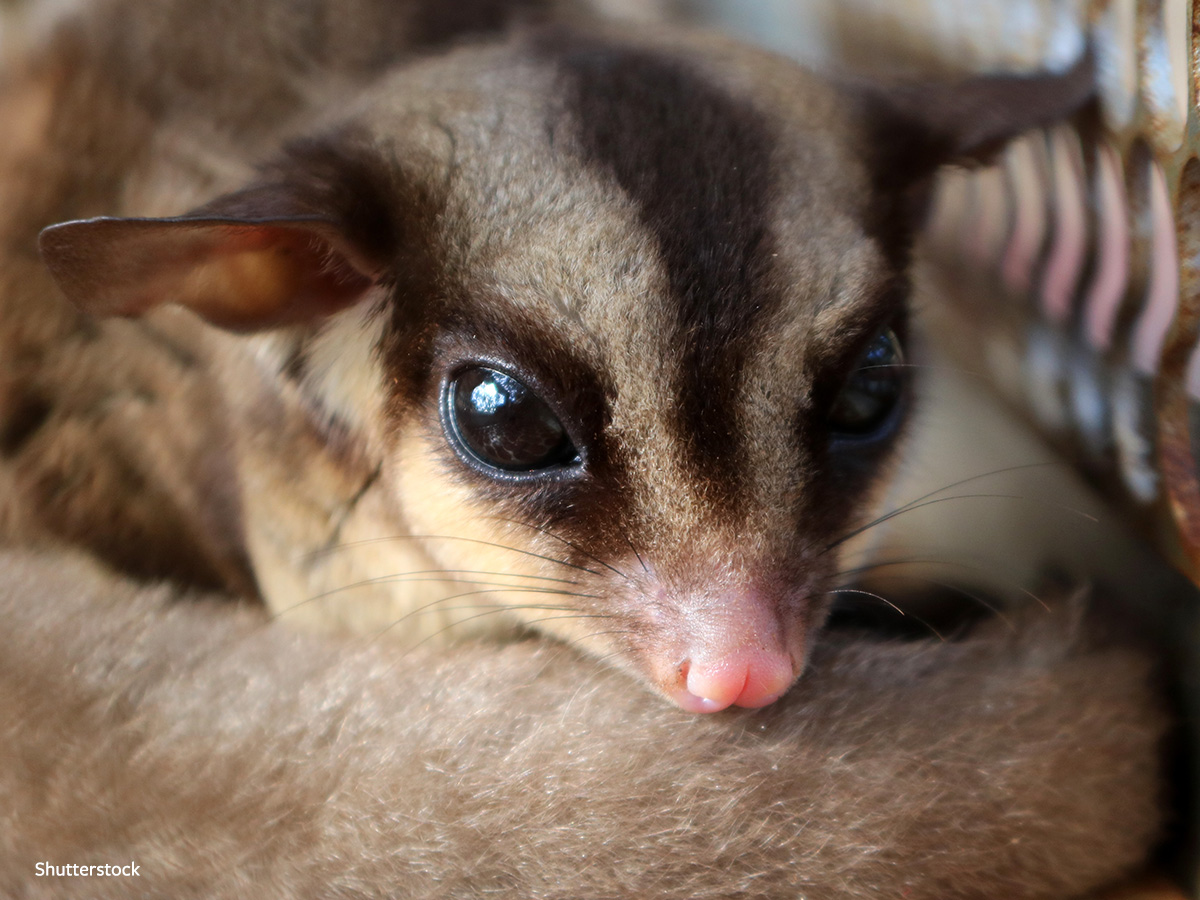
Sadly, many animals are taken from their wild homes, and many die during capture or transport. In captivity, they’re prevented from engaging in many natural behaviors, negatively affecting them physically and emotionally, which impacts their quality of life.
Unfortunately for these animals, many unwitting people get in over their heads by taking them on without fully understanding what they really need. Sellers often don’t provide any information about their care or the dangers they pose, and they pawn off many as cute little babies, who are frequently removed from their mothers far too soon. However, those babies soon become bigger, undomesticated animals who can become difficult, destructive, and dangerous to handle. Some may have also been mutilated by having their teeth, claws, or venom removed to make them safer to deal with.
The situations they end up in range from simply inappropriate to blatantly abusive. The lucky ones may end up at sanctuaries, but those are already overburdened, leaving little space and few options for animals in need. Animals who are rescued may also have ongoing health problems or behavioral issues, like feather plucking or self-mutilation, which they started doing to cope with the stress of captivity.
Each species requires specialized care, and far too many are taken by people who don’t understand their complex needs. It’s incredibly costly and time-consuming to provide adequate housing (which will never compare to their wild habitats), enrichment, food, and veterinary care.
Threatens wild populations and ecosystems
The global trade in wild animals is driving many species toward extinction.
A September 2026 study published in Nature calling for closing legal gaps in the pet trade found more than half of the reptiles and 40% of amphibians involved are taken directly from the wild, threatening species like Madagascar’s ploughshare tortoise, whose members are now one of the world’s most endangered tortoises.
Unfortunately, many who are already facing additional pressures, including habitat loss and the climate crisis, are further threatened by being removed from the wild, such as Indonesia’s slow lorises and African gray parrots. A study published last year found 90% of fish in the U.S. pet trade are taken from the wild, including threatened species.
Supports other criminal activity
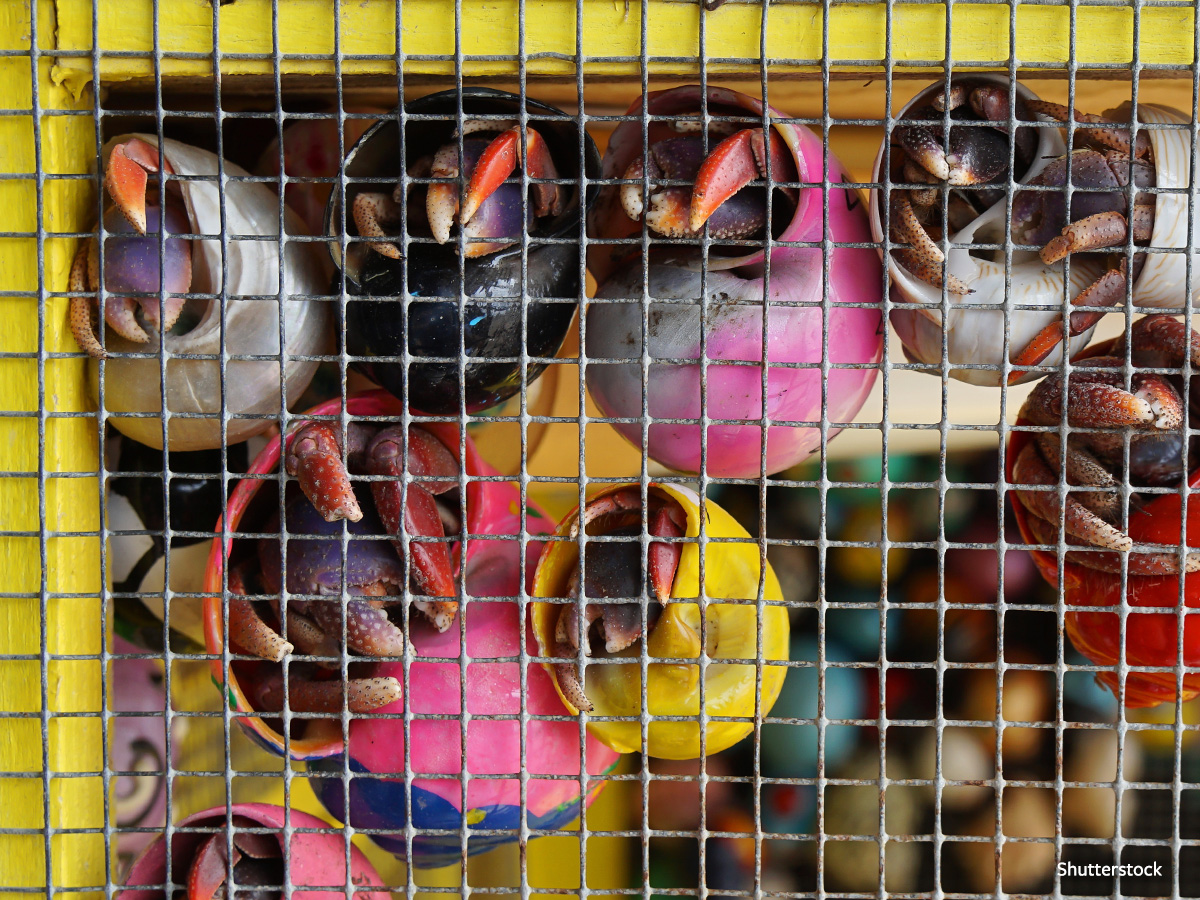
The illegal wildlife trade is hugely profitable, estimated to be worth billions of dollars annually and spans remote areas to online markets, with much demand fueled by social media allowing for global reach.
It’s been linked to criminal networks and terrorist organizations, and the trafficking of drugs, arms, and humans.
What are the human health and safety risks do exotic pets pose?
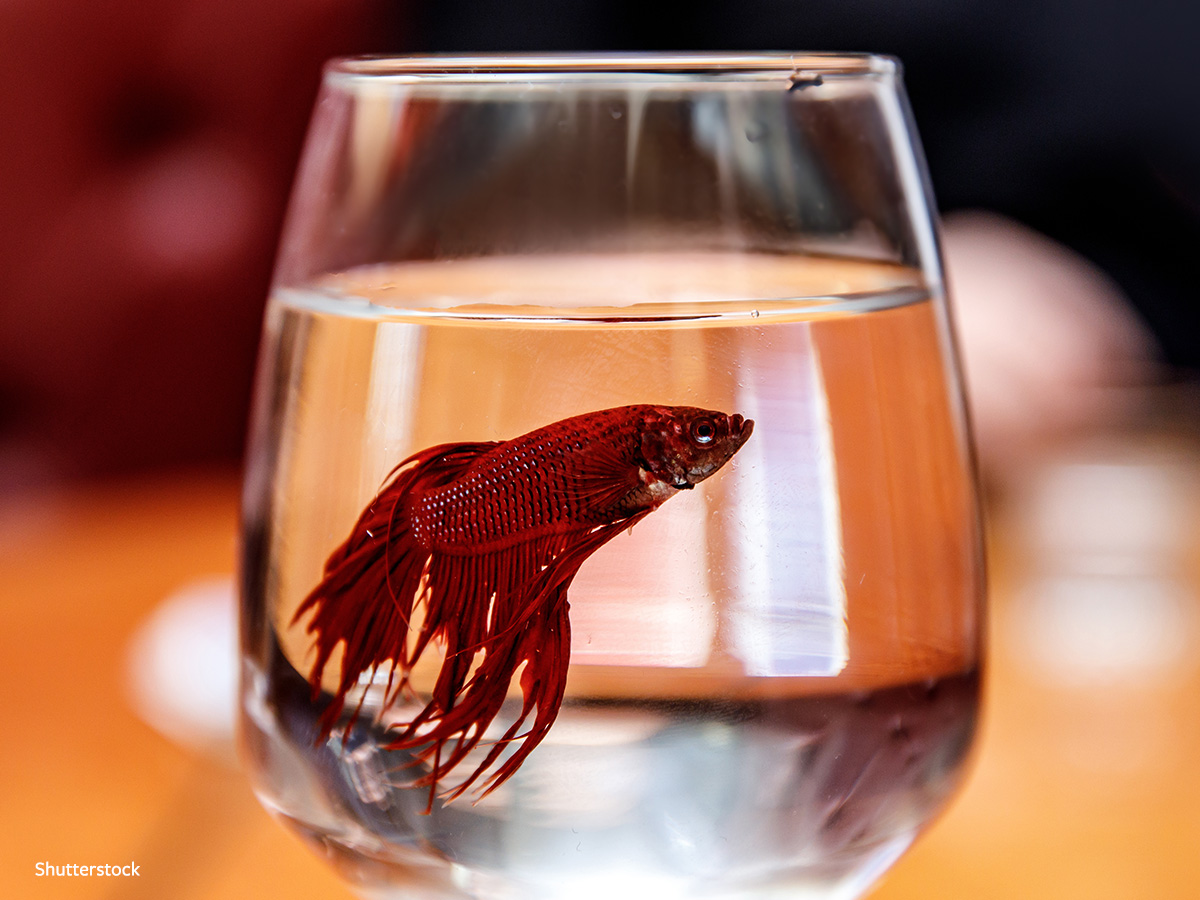
Every year there are incidents of people, including children, being injured by exotic animals, including some fatally.
Escaped animals can also pose a safety risk to the public and first responders who aren’t equipped to handle situations involving exotic species.
Compounding the risks, many animals can carry parasites and zoonotic diseases, such as ringworm, monkeypox, salmonellosis, herpes B, parrot fever, and rabies.
According to the World Health Organization, about 1 billion cases of illness and millions of deaths occur globally every year from zoonoses, while some 60% of emerging infectious diseases reported globally are zoonotic.
What laws govern the exotic pet trade?
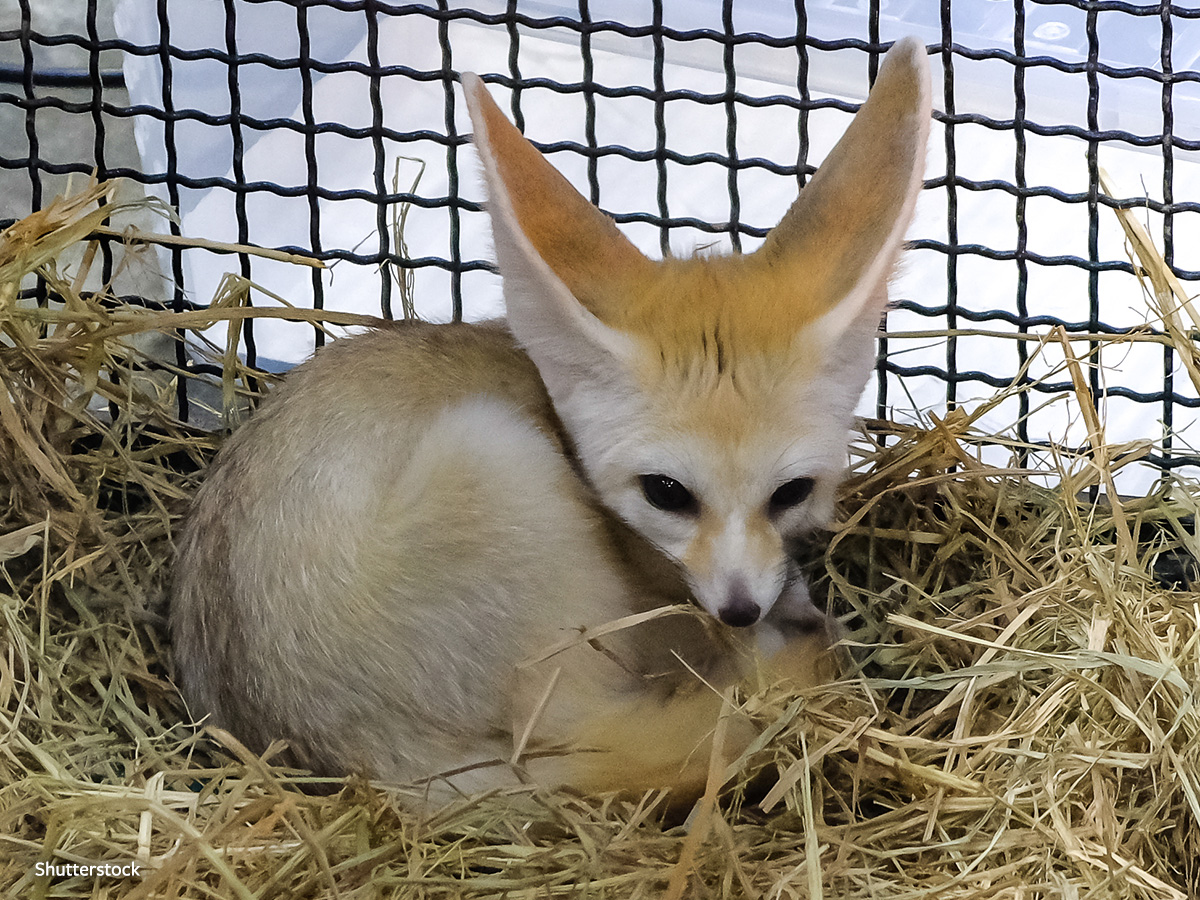
A confusing patchwork of local, state, federal, and international laws surrounding the sale and possession of exotic animals, compounded by corruption and criminal activity, allow for millions of animals to enter the global trade every year.
Local
Many cities and counties across the country have ordinances regulating or banning private possession of exotic animals. At the state level, laws vary between states; some may ban some species, may have partial bans or require a license or permit, or some form of certification proving an animal was legally acquired.
Federal
At the federal level, there are a few laws that regulate exotic animals, including the Endangered Species Act, Lacey Act, Wild Bird Conservation Act, and Public Health Service Act. The Big Cat Public Safety Act, which was enacted in 2022, bans private possession and public contact with lions, tigers, leopards, snow leopards, clouded leopards, jaguars, cheetahs, cougars, or hybrids of any of them.
Other bills have been introduced in this current and previous legislative sessions, but have not yet passed, including the Cold-Blooded Animal Research and Exhibition Act, the Traveling Exotic Animal and Public Safety Protection Act and the Captive Primate Safety Act, which would ban private possession of non-human primates, along with breeding, sales, or transport of them for the pet trade.
International
Internationally, the trade is regulated through the Convention on International Trade in Endangered Species of Wild Fauna and Flora (CITES), which is a global treaty between 185 member countries covering over 41,000 species of animals and plants intended to protect wild populations. CITES has three appendices that list species, with Appendix I banning international trade. Appendix II lists species that may not be threatened with extinction yet, but might unless the trade is controlled. Appendix III lists species that member countries request be included in an effort to stop their exploitation.
However, there are issues with adding species, which can become mired in politics, and enforcement, which must be done at the national level.
Last year, Operation Thunder, a joint operation led by Interpol, seized nearly 30,000 live animals in just a month, including listed species. Further troubling is that species protected in their own country who aren’t listed may also be legally sold once across borders.
How to stop the exotic animal trade
The best way to end animal suffering in the exotic pet trade is simply to stop buying them, but there are many other things we can also do.
- Don’t watch or share videos of exotic pets on social media; these posts help fuel the demand, especially when they go viral.
- Don’t share photos or videos posing with wild animals.
- Report ads and related content you see on social media. Learn more about what to look for.
- Avoid exotic animal expos.
- Find out what your local and state laws are and encourage your representatives to strengthen them.
- Support legislation at all levels to ban private possession of exotic animals.
- Support accredited sanctuaries for animals who are no longer wanted.
- Sign up for our newsletter to get the latest news and alerts.


