

The Dangers of Zoo Life For Endangered Elephants
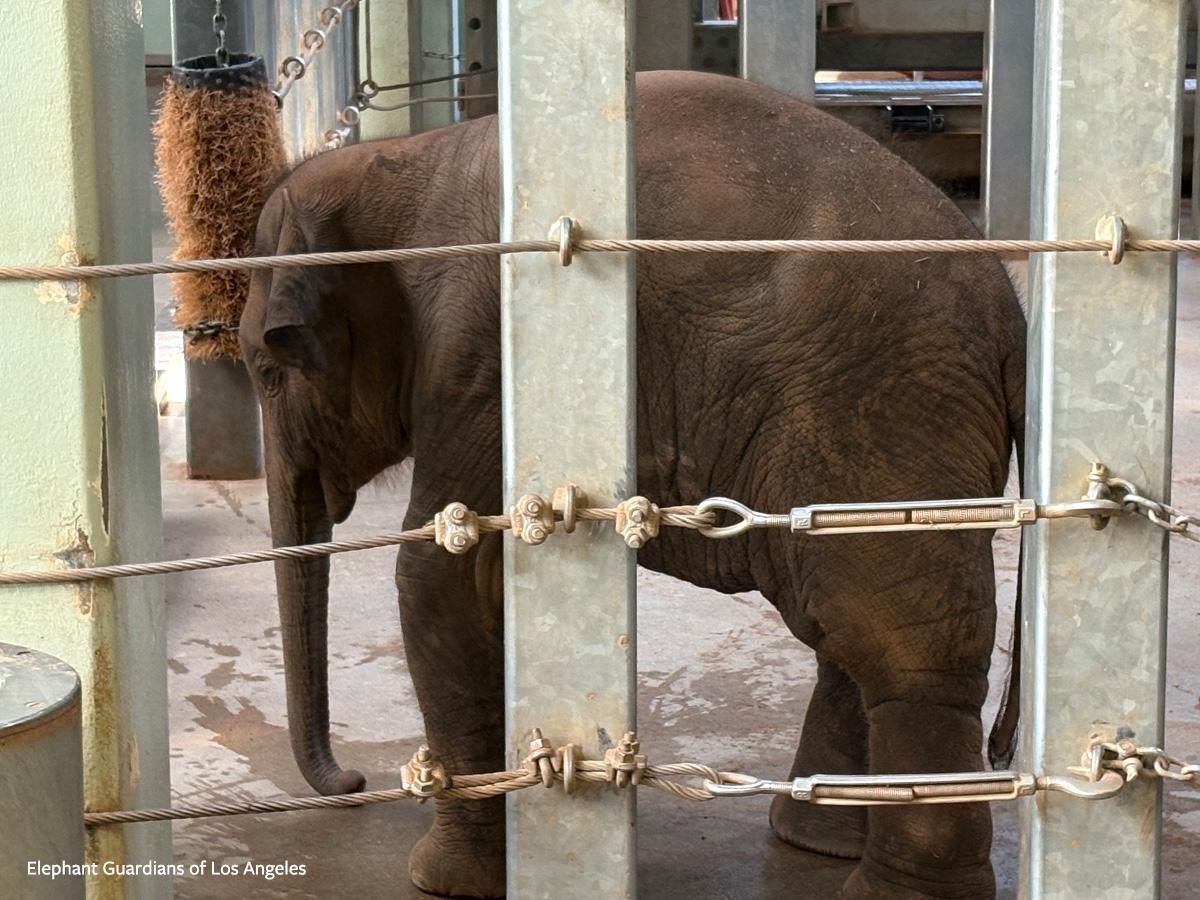
In June 2026, the Oklahoma City Zoo celebrated the birth of an “endangered” Asian elephant. This is a familiar storyline: zoos point to births like this as proof they are helping save a species, often framing captivity as a safer alternative to life in the wild. What’s missing from that narrative is any real discussion of the risks elephants face in captivity itself.
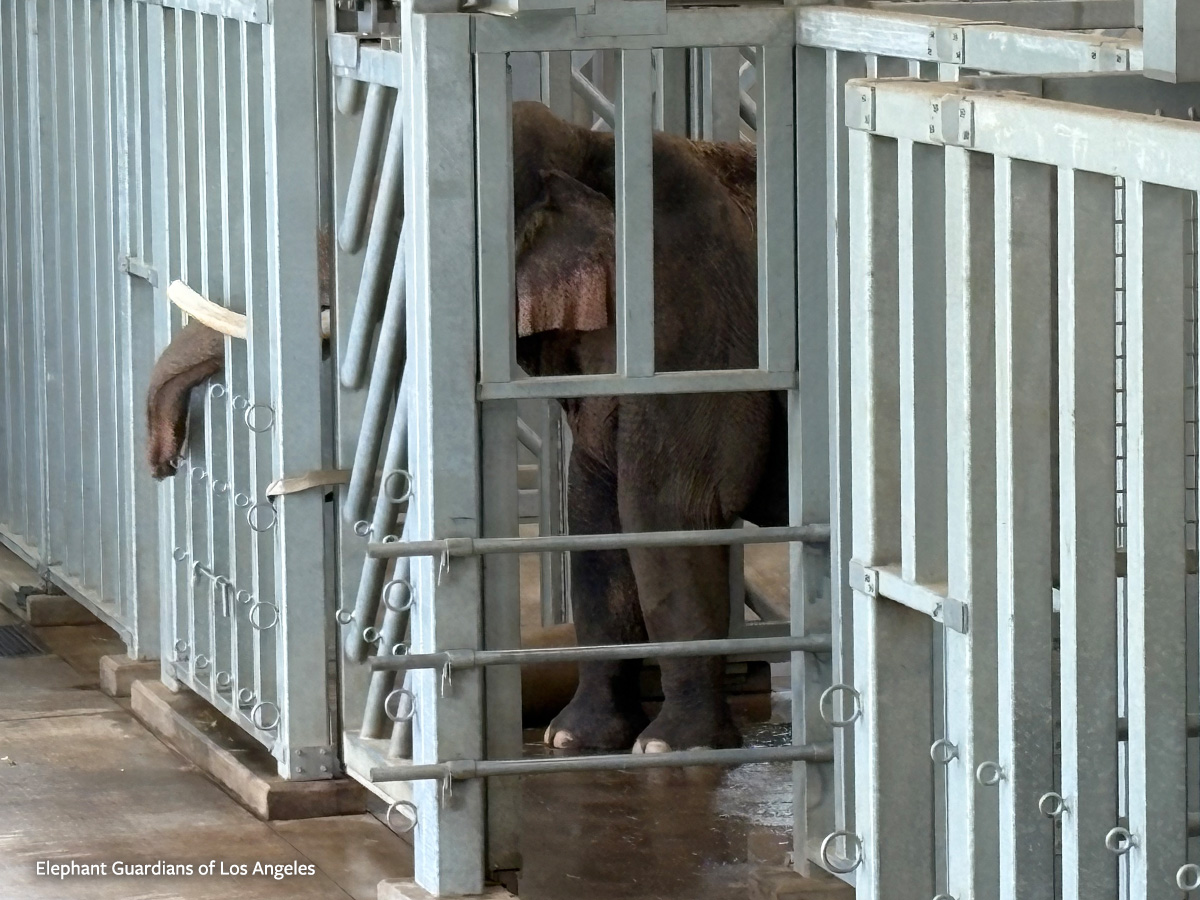
Bull behind bars, Tulsa Zoo
Hidden threats
The suffering of captive elephants is often invisible to the public. Instead of seeing the profound mental and physical agony of life in captivity, they are swayed by repeated zoo PR that describes elephants as “ambassadors” who inspire people to care about conservation. However, there’s no solid evidence showing that seeing elephants in zoos actually leads to measurable conservation action in the wild. Zoo elephants engage in repetitive swaying and bobbing, widely recognized as signs of zoochosis, which indicate stress and compromised welfare, and that the environment isn’t meeting basic behavioral and cognitive needs. This leads to physical and mental decline, even brain damage.
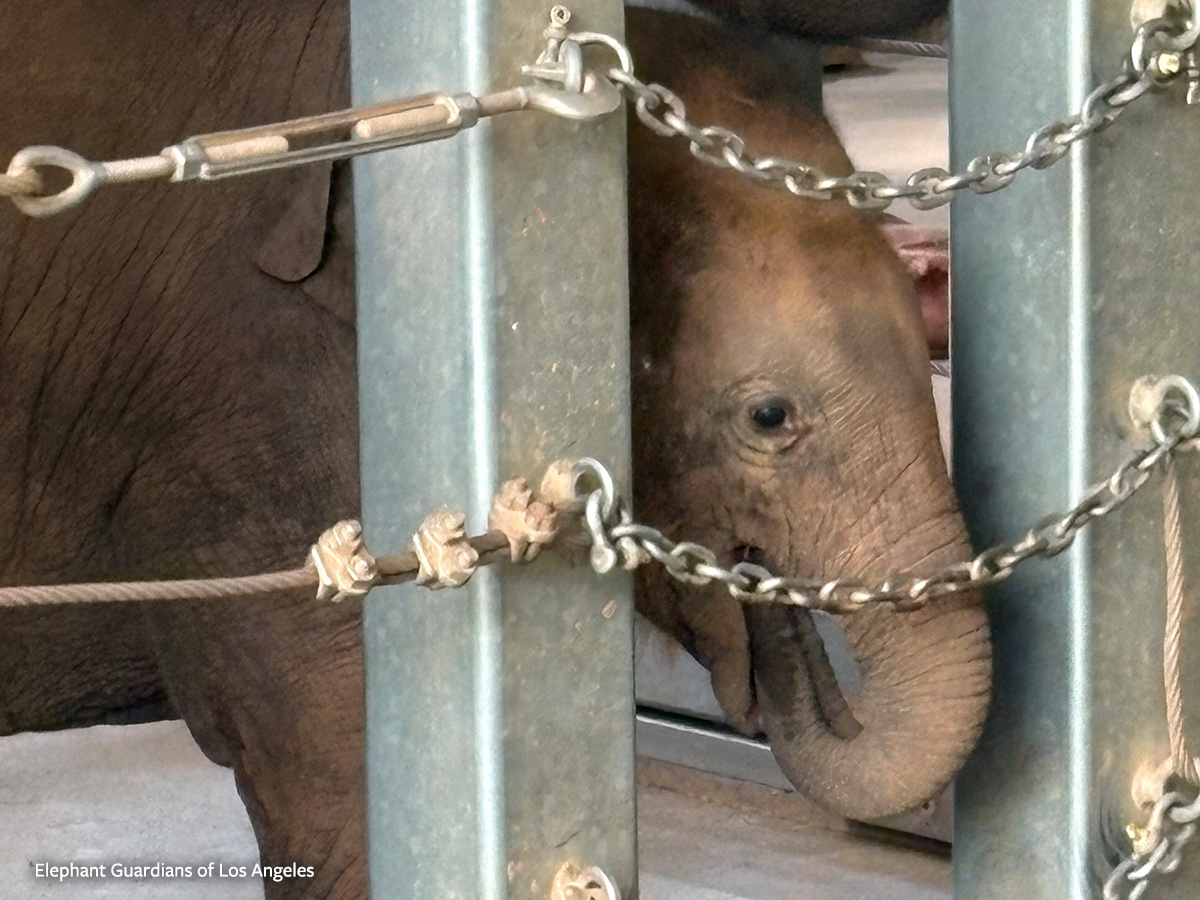
Baby blues, bored from birth, OK City Zoo
Breeding disease and death
As we highlighted in our 2025 10 Worst Zoos for Elephants, breeding programs are also dangerous to elephants’ welfare. The process itself is highly invasive and intensive, and the outcomes are often unsuccessful. Twenty-five percent die before the age of 5. Many of them die from Elephant Endotheliotropic Herpesvirus (EEHV). At Zurich Zoo, for example, 11 young elephants died over a 10-year period, which sparked widespread debate about captive breeding. Considering elephants are pregnant for nearly two years, each loss is significant.
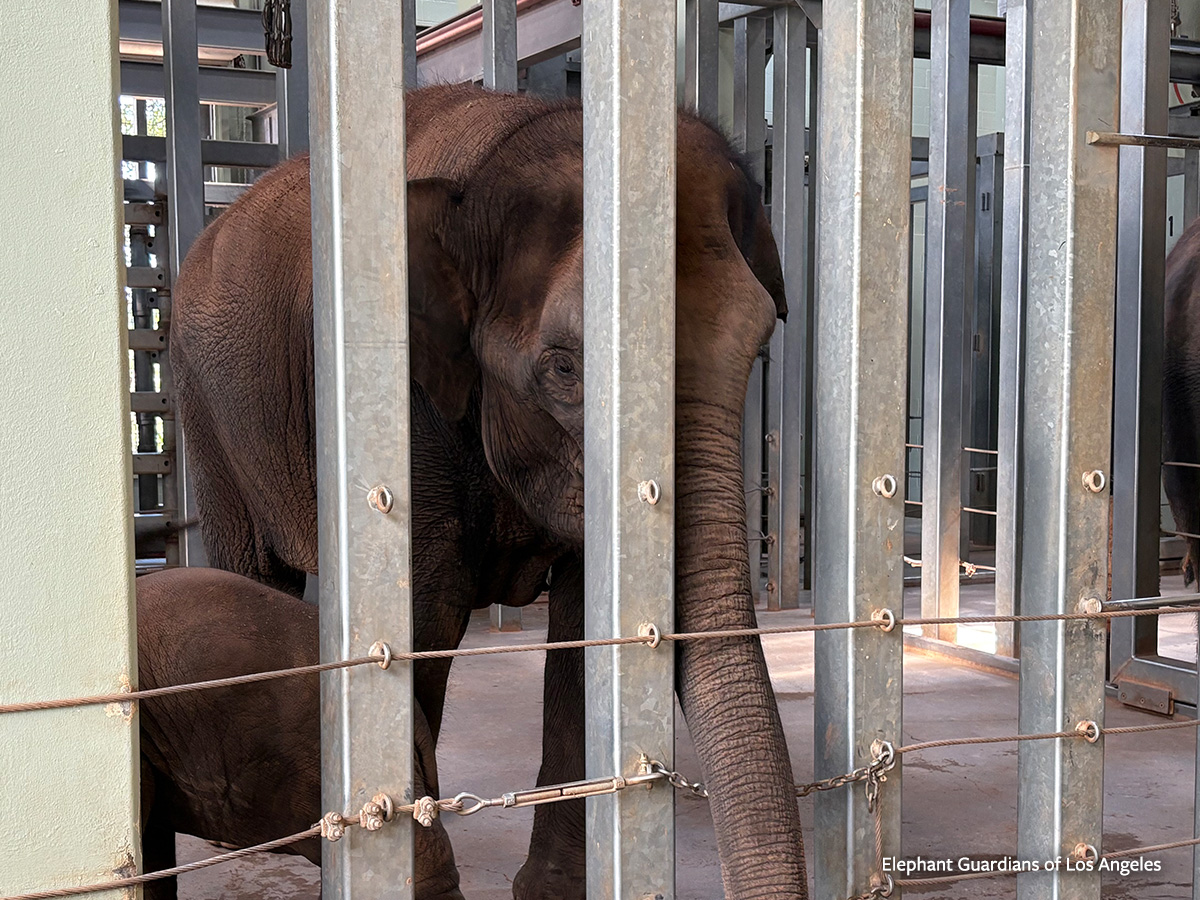
Life in prison with no parole, OK City Zoo
No poaching, but plenty of peril
It’s true that elephants in zoos don’t face poaching, drought, or conflict with humans. But removing those threats doesn’t mean elephants are thriving. Instead, they face a different set of challenges, including early deaths, chronic arthritis, painful foot and joint disease, and environments that restrict natural behavior.
Elephants are built to move across large distances, make choices, and live in complex social groups. Zoo enclosures, no matter how improved, are still a tiny fraction of that. Over time, the lack of space and stimulation leads to boredom, frustration, and disengagement. One former zoo veterinarian (Michael Schmidt, DVM, now deceased, former elephant vet, Oregon Zoo) described captive elephants as “jumbo ghosts” — physically there, but emotionally and spiritually absent.
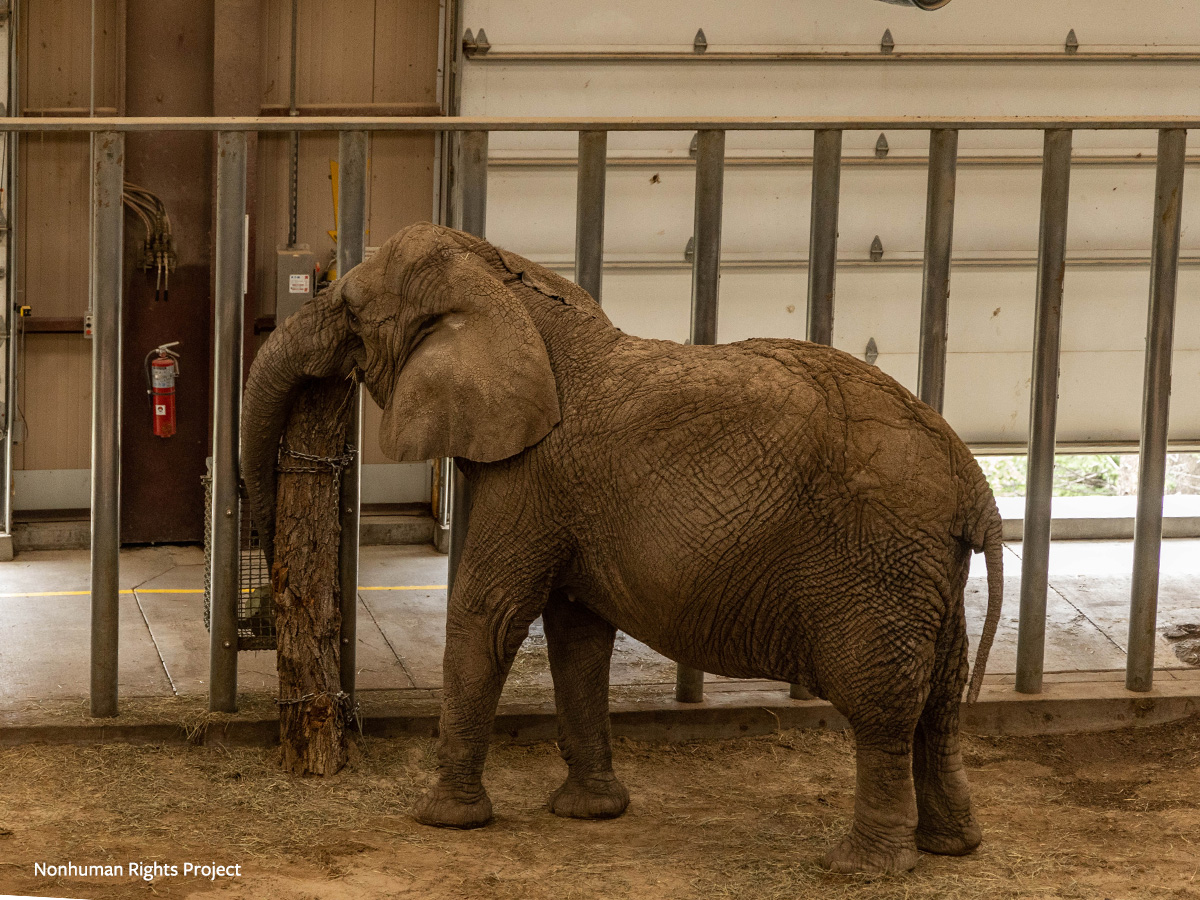
From African savanna to sterile cell, Cheyenne Mountain Zoo
Breaking the chain of captivity
A growing number of zoos are moving away from keeping elephants. Over 40 zoos have already phased out their programs, with some choosing to send elephants to sanctuaries that offer the space and freedom to finally live like real elephants.
If conservation is the goal, it’s time to focus on protecting elephants in the wild and stop trying to justify keeping and breeding them in captivity, where they remain imprisoned for life.
For more on what’s wrong with keeping elephants captive and how to help, visit our Elephants campaign.


